Household preparedness
Mobility & Evacuation
How would you get home if your usual bus stopped running? If you had to leave home, where could you go and who might need help getting there? Start with real journeys and the people making them. Owning a car is only one possible part of the answer.
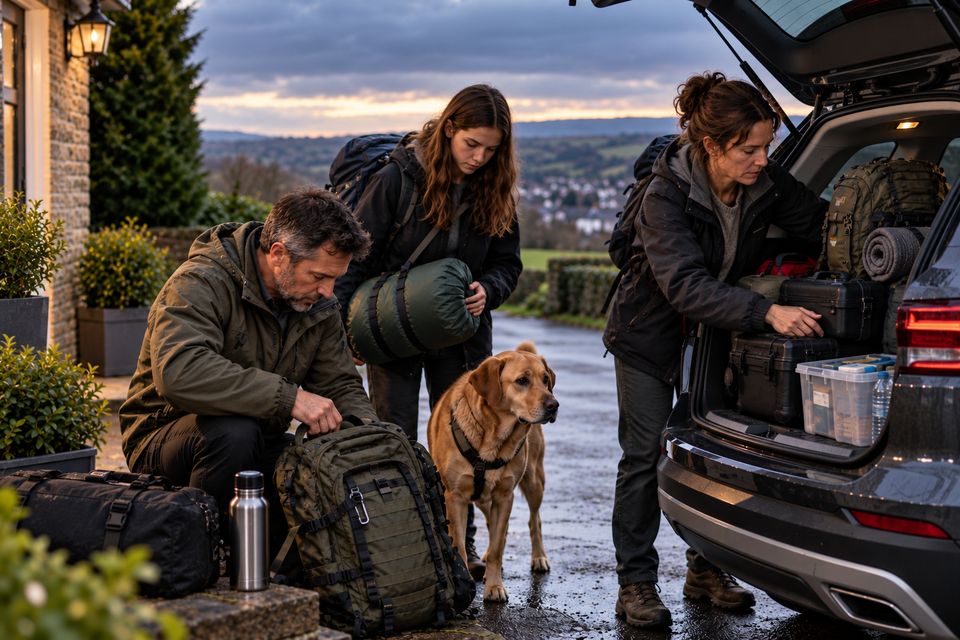
Reach the people and places that matter
Think beyond the journey itself: where would you go, who would be there and what help might you need along the way? Include anyone who could be away from home when plans change.
The journey, the destination and the people
Look at your transport options
A car needs fuel or charge and someone able to drive it. Buses, trains, walking and lifts from other people have different limits. Think about which options would actually work for you.
Know where you could go
Check that a destination is suitable and that the people there know you may need them. A familiar route may be closed, so use current local and travel information rather than relying only on memory.
Include people and essentials
Think about mobility aids, caring responsibilities and what would be hard to manage away from home. A bag of essentials can help in some situations, but it cannot replace a plan for getting people to a suitable place.
Where travel plans need a second thought
- The backup journey may depend on the same driver or vehicle as the usual one.
- Somewhere you could stay may be difficult to reach or unsuitable for access needs.
- It is easy to plan from home and forget that someone may be at work, school or elsewhere.
Plan around a real journey
- Discuss where you could go and who could help with travel, including arrangements for pets.
- Find the transport-operator and local-authority updates relevant to your usual journeys.
- Think through one alternative way home. Before travelling in severe weather, check current Met Office and operator advice.
When the usual route is unavailable
- Transport disruption. You may need another route, another way to travel or to postpone a journey.
- Evacuation. Follow official instructions about leaving, routes and destinations.
- Storm. Conditions can change while you are making plans, so check before setting off.
Connect travel with the rest of your plan
- Planning & Continuity
Agree how people will contact each other if they are travelling separately.
- Warmth & Shelter
Check that your destination offers somewhere suitable to stay.
Leaving and returning safely
If authorities tell you to leave an affected area, follow their instructions. Don’t let collecting belongings delay an urgent departure, and check official advice before returning to a place that has been affected.
Put it into practice
Put your arrangements on paper
- Temporary Leave-Home Preparation Checklist
Prepare manageable essentials and agreed help on a quiet day, before any need to leave home temporarily.
Sources and further advice
For more detail, use the guidance below. Check which part of the UK each source covers.
- Met Office — WeatherReady
UK weather preparedness. Source checked .
- UK Government — Get prepared for emergencies
UK household preparedness. Source checked .